425 views
owned this note
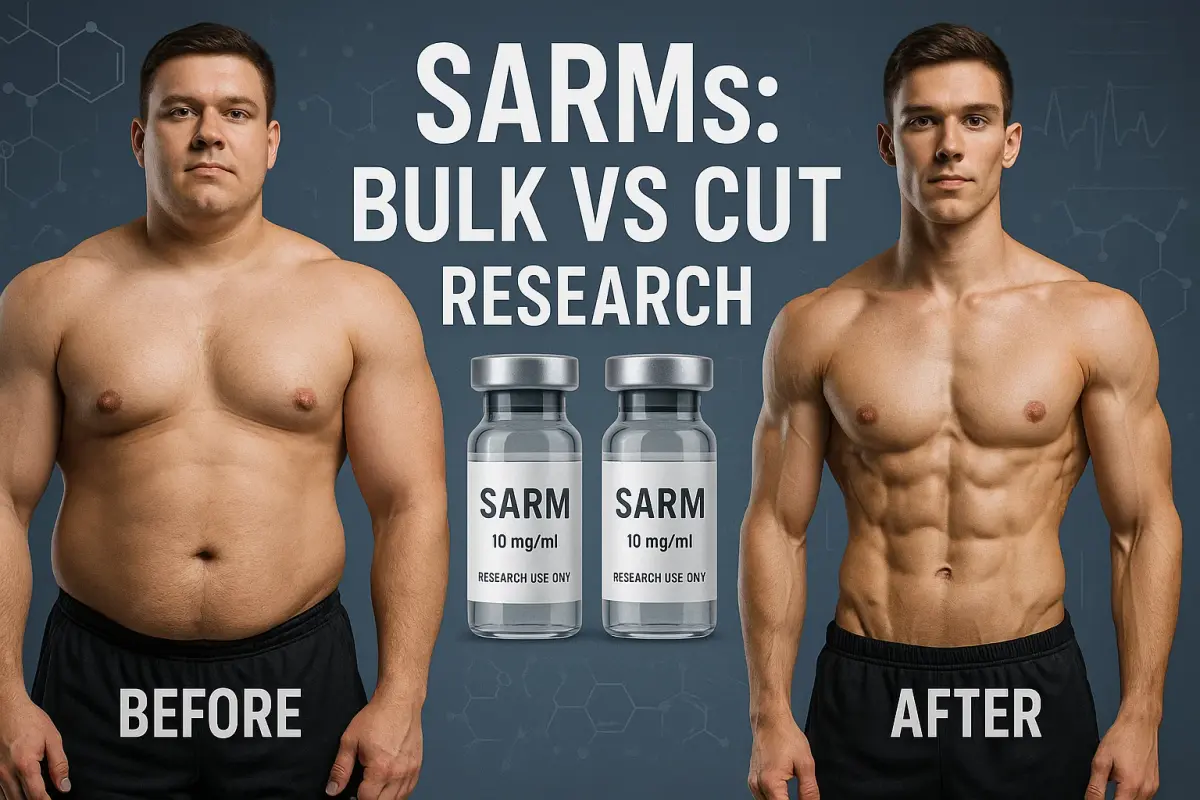
<h1><strong>From Bulk to Cut: How SARMs Are Being Studied for Targeted Outcomes</strong></h1>
<p>In today’s performance research world, precision is everything. Gone are the days of one-size-fits-all solutions for muscle building, fat loss, or recovery. Instead, scientists and athletes alike are turning their attention to a new category of compounds with a fascinating promise: selective action. These compounds, known as <a href="https://ironmountainlabz.com/product-category/sarms/injectables-sarms/" rel="dofollow"><strong>SARMs</strong></a>, are being closely studied for their potential to deliver muscle growth or fat reduction without some of the unwanted effects linked to traditional anabolic agents.</p>
<p>But what does this mean for someone who wants to move smoothly from a bulk phase to a cut without losing the progress they’ve fought for? That’s exactly what researchers are trying to figure out how these compounds may be used to target specific outcomes, phase by phase, without the collateral damage.</p>
<h2><strong>What Are SARMs and Why the Buzz Around Them?</strong></h2>
<p>Selective Androgen Receptor Modulators, or SARMs, work by binding to androgen receptors in muscle and bone tissue with a higher degree of precision than older, non-selective compounds. In early studies, this tissue selectivity has been linked to increases in lean muscle mass, improved bone density, and in some cases, enhanced recovery all while potentially reducing side effects commonly associated with traditional anabolic use.</p>
<p>The intrigue comes from their adaptability. Researchers are investigating whether certain SARMs might favor muscle preservation during calorie restriction, while others may promote lean hypertrophy during surplus phases. If successful, that could mean a tool that lets an individual go from bulk to cut without feeling like they’re starting over every time calories shift.</p>
<h2><strong>Bulk Phase: Building Quality Mass</strong></h2>
<p>When calories are high and the goal is pure size, maintaining muscle integrity is key. Research suggests that some SARMs may stimulate protein synthesis in a way similar to anabolic steroids but with less impact on other tissues. This has made them the subject of intense interest for strength athletes and body composition researchers.</p>
<p>The focus here isn’t just bigger muscles it’s better muscles: leaner, denser, and more functional. Instead of sloppy bulks that add fat as quickly as muscle, the targeted nature of SARMs offers a theoretical way to bias the body toward muscle-first gains.</p>
<h2><strong>Cut Phase: Preserving What You’ve Built</strong></h2>
<p>Anyone who’s dieted down for a competition, photo shoot, or weight class knows the hard truth: cutting often means losing some of what you worked so hard to build. Muscle loss during caloric deficits can flatten the physique, weaken strength, and make recovery harder.</p>
<p>Early data suggest that SARMs might help preserve lean mass even when energy intake is reduced. In research models, some compounds have demonstrated anti-catabolic properties, meaning they help the body hold onto muscle when calories and carbohydrates are low. This is the bridge athletes have been looking for going from bulk to cut while holding onto their size and density.</p>
<h2><strong>Safety, Stability, and Shelf Life: Do SARMs Expire?</strong></h2>
<p>Like any chemical compound, SARMs are sensitive to storage conditions. A common question among researchers and performance enthusiasts is simple but critical: <a href="https://behemothlabz.com/do-sarms-expire-how-long-do-sarms-last/" rel="dofollow"><strong>Do SARMs expire?</strong></a></p>
<p>Yes. Over time, exposure to light, heat, or air can degrade their potency. Most high-quality products will have a clear expiration date printed on the bottle. Proper storage cool, dark, and sealed can help maintain stability, but using compounds past their labeled shelf life may reduce their effectiveness and introduce variability into research outcomes. When exploring cutting-edge compounds, consistency is non-negotiable.</p>
<h2><strong>The Importance of Proper Transition: PCT for SARMs</strong></h2>
<p>Even though SARMs are designed to be selective, most are still suppressive to the body’s natural hormone production, especially after prolonged use or higher research doses. This is where <a href="https://nanotechproject.org/sarms-pct/" rel="dofollow"><strong>PCT for SARMs</strong></a> comes in.</p>
<p>Post-cycle therapy protocols are being studied to help restore endogenous testosterone levels, rebalance hormone function, and protect the muscle tissue gained during the research period. The goal is simple: avoid the crash. A thoughtful PCT helps retain progress, keep energy and libido steady, and move from experimental cycles back to baseline safely.</p>
<h2><strong>Quality Control and the Role of Trusted Labs</strong></h2>
<p>In a field filled with hype, purity matters. It’s not enough for a compound to be theoretically effective; it must also be precisely dosed, free from contamination, and verified by third-party testing. That’s where brands like <a href="http://rcdbio.co" rel="dofollow"><strong>RCD BIO</strong></a> are stepping into the spotlight.</p>
<p>Reputable labs provide transparency, Certificates of Analysis (COAs), and consistent quality control. This protects both the integrity of ongoing research and the health of those involved. In a space where unregulated products have caused concern, companies prioritizing science over marketing are essential.</p>
<h2><strong>What the Future Holds</strong></h2>
<p>The research on SARMs is still evolving. While initial data is promising, human studies remain limited. What we do know is that the potential is significant: compounds that can help build lean muscle during bulking, preserve it during cutting, and possibly aid in recovery without the systemic side effects of traditional anabolic agents.</p>
<p>The next steps will likely focus on dosing precision, long-term safety, and determining which SARMs perform best for specific outcomes. Bulk-to-cut transition protocols, tissue-selective muscle retention, and even injury recovery all remain areas of active exploration.</p>
<h2><strong>Conclusion: Precision, Not Guesswork</strong></h2>
<p>Moving from bulk to cut has always been a balancing act: gain enough size without gaining too much fat, then trim down without losing what you gained. SARMs represent a modern attempt to take some of the guesswork out of that equation.</p>
<p>By targeting muscle and bone more selectively, these compounds might allow researchers and athletes to control the muscle-to-fat ratio through different phases more effectively. But like all tools in performance science, their value lies not in hype, but in evidence, consistency, and careful use.</p>
<p>For now, SARMs remain research compounds, best explored under controlled conditions, with attention to storage, timing, and post-cycle restoration. Done right, they may prove to be one of the most valuable innovations in targeted physique management to date.</p>
<h3><strong>FAQs</strong></h3>
<ol>
<li><strong> Are SARMs legal to use?</strong><strong><br /></strong> SARMs are not approved for human consumption by the FDA. They are sold for research purposes only and are not considered dietary supplements. Their legality varies by region, so always verify local regulations.</li>
<li><strong> Can SARMs replace traditional anabolic steroids?</strong><strong><br /></strong> They are being studied as potential alternatives, but data is still limited. While they may offer fewer side effects, they also have unique risks that need more research before any firm conclusions can be drawn.</li>
<li><strong> How long should a SARMs research cycle last?</strong><strong><br /></strong> Most studies examine cycles between 6–12 weeks, but optimal timing varies depending on the compound, dosage, and desired outcome. Always consult existing data and approach cautiously.</li>
<li><strong> Are side effects still possible with SARMs?</strong><strong><br /></strong> Yes. While they’re designed to be selective, hormonal suppression, lipid changes, and other metabolic shifts are still possible. Monitoring and responsible protocols are essential.</li>
<li><strong> Is post-cycle therapy always necessary?</strong><strong><br /></strong> In most cases, yes. Even selective compounds can suppress natural testosterone. A proper PCT helps restore hormonal balance and preserve gains achieved during the cycle.</li>
</ol>